

Food labeling is of fundamental importance to ensure the safety and transparency of products. Companies are using technologies such as blockchain, AI, QR codes, and sensors to improve product traceability and quality.
Food labeling has become a central issue in contemporary society. The quality of food and food safety are distinctive elements of European culture. Food labeling allows consumers to have clear and transparent information about the products they purchase, as well as ensuring compliance with current regulations. In this article, we will examine the main rules governing food labeling and the technological innovations available to companies to improve production and control processes.
The regulatory framework
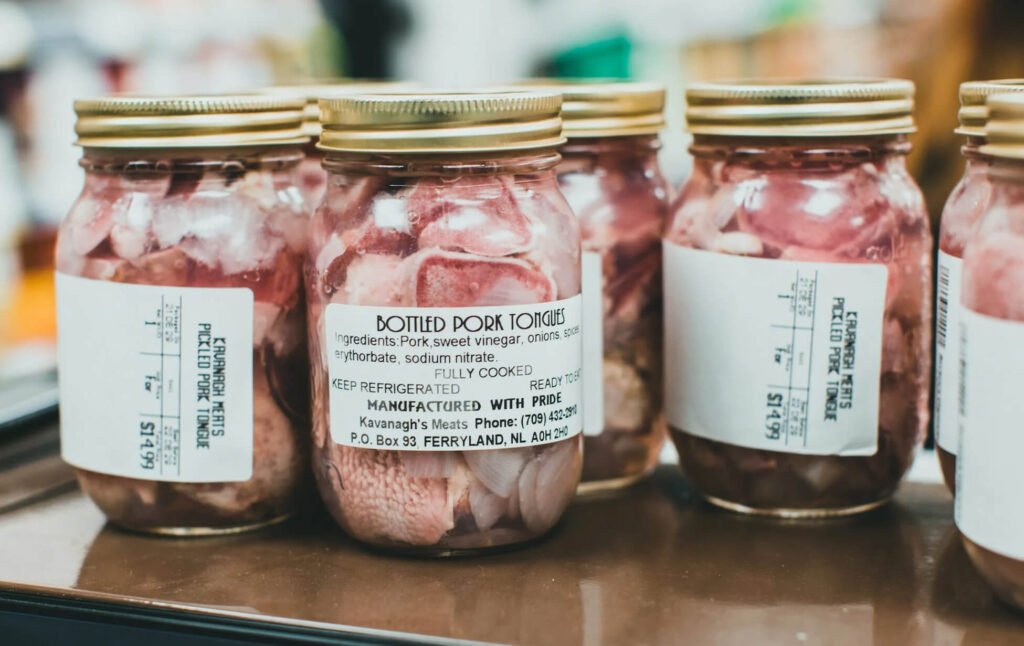
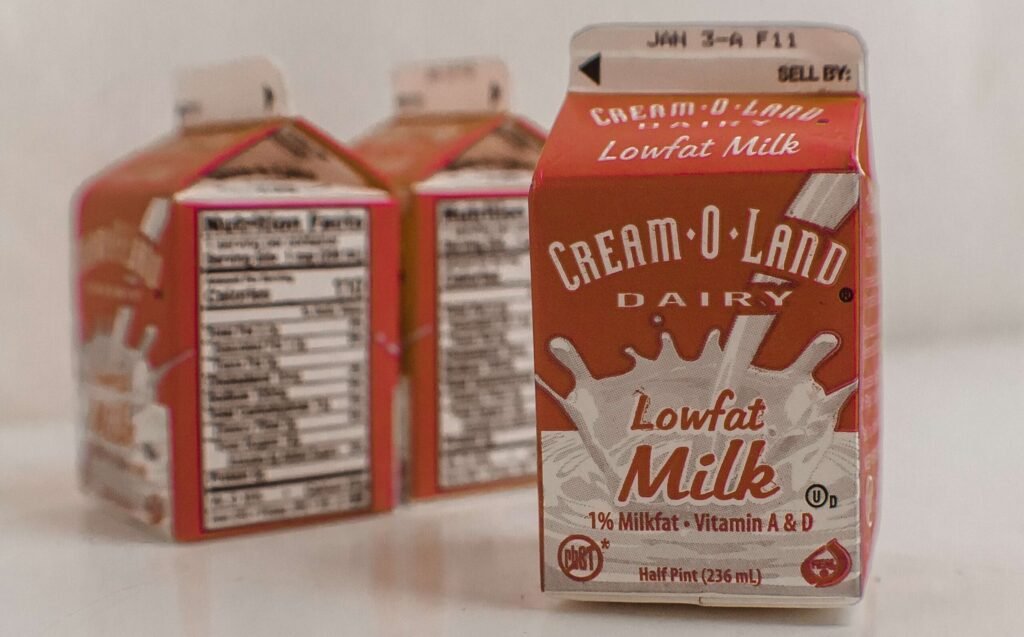
The regulations on food labeling are based on Regulation (EU) No. 1169/2011 of the European Parliament and of the Council, known as FIC (Food Information to Consumers). This regulation establishes the mandatory information to be included on the label, such as the product name, list of ingredients, expiration date, storage conditions, allergen indication, and nutrition table.The health ministries of the various countries are the entities responsible for controlling and monitoring compliance with regulations on food labeling, including the prohibition of unfair and misleading commercial practices.
Technological innovations in the food industry
Food companies are using new technologies to improve product traceability and ensure compliance with current regulations. Among these, we find:
1 – Blockchain: This technology allows for the creation of a secure and unalterable digital record of transactions along the production chain. In this way, companies can guarantee the origin and quality of the ingredients used, offering consumers greater transparency.
2 – Artificial intelligence (AI) and machine learning: The use of advanced algorithms and automatic learning systems allows for real-time analysis and monitoring of product quality, and the detection of any anomalies or irregularities in the labels.
3 – Smart labels and QR codes: The adoption of interactive labels and QR codes allows consumers to access detailed information about the product and its production chain simply by using a smartphone. These solutions offer a more complete and personalized experience for the customer, who can make more informed purchasing decisions.

4 – Internet of Things (IoT) and sensors: The use of connected devices and advanced sensors along the production chain allows for the collection and real-time monitoring of data, improving resource management and reducing waste. For example, sensors can be used to monitor temperature during the transport and storage of products, thus ensuring the safety and quality of food.
5 – 3D printers for labels: 3D printing allows for custom labels for each product, with greater flexibility and a lower incidence of errors. This technology can be particularly useful for companies that produce food in small batches or with specific characteristics, such as organic or gluten-free products.
6 – Digital platforms and management software: The use of digital platforms and specific software for label management simplifies and speeds up the process of creating and revising labels. These tools can help companies comply with current regulations and prevent any penalties for non-compliant labels.
In conclusion, food labeling is a topic of great relevance, both from a regulatory and technological point of view. Companies in the industry must comply with the provisions in force, providing clear and complete information to consumers. At the same time, the adoption of innovative technological solutions can contribute to improving the quality, safety, and traceability of food products, as well as ensuring transparency and customer trust.