IPAK is strengthening its global presence through advanced film technologies, recyclable packaging solutions and continued investment in innovation and sustainability.
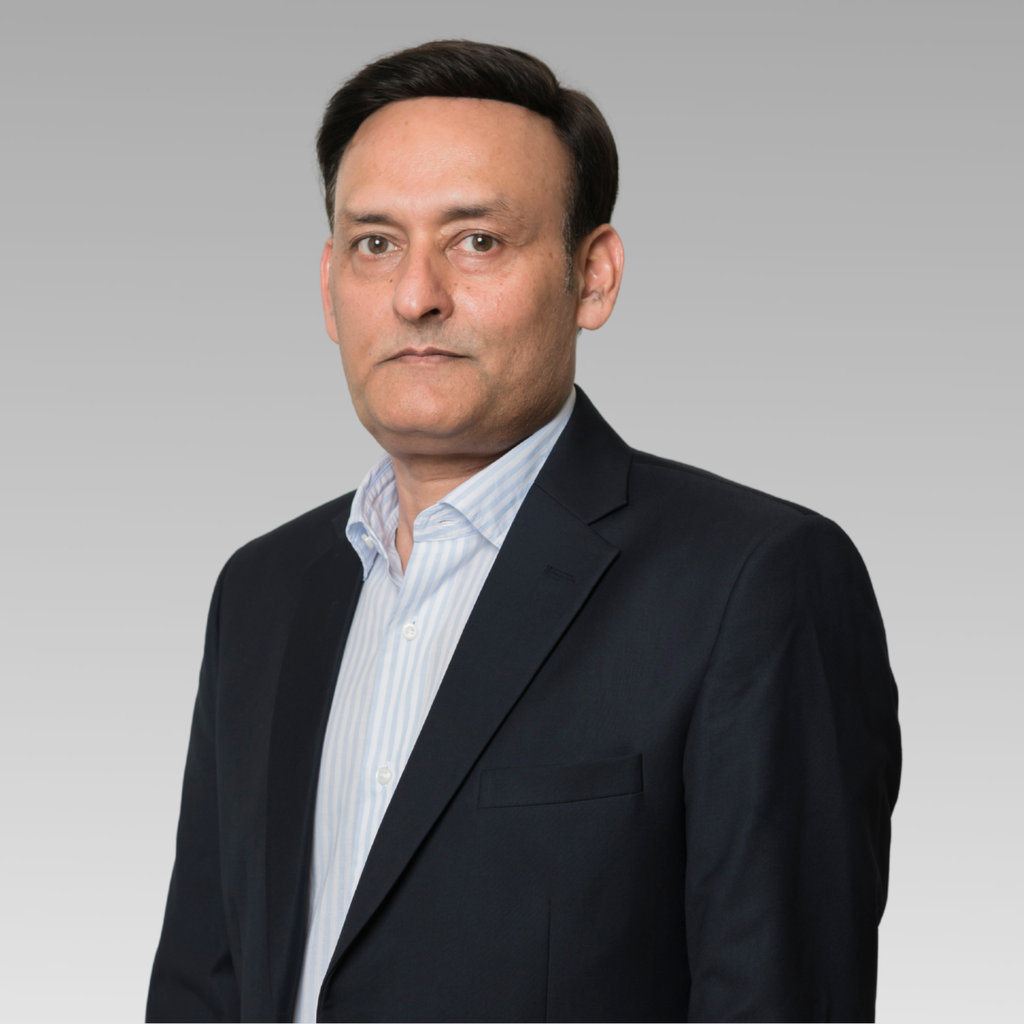
The flexible packaging industry is facing growing demands for performance, recyclability and innovation. Since starting production in 2017, IPAK has expanded its manufacturing capacity, diversified its film portfolio and strengthened its international presence. Muhammad Ali Mirza, Chief Sales & Marketing Officer at IPAK Group, shares his perspective on evolving market needs, sustainable materials and the strategies driving the Group’s international growth.
IPAK has grown rapidly in the packaging films industry. How has the company evolved, and what has driven this development?
Incepted in 2015, IPAK started commercial production in 2017 and has since scaled to a capacity of 150,000 metric tons a year. Three things drove that growth: sustained investment in modern, high-speed production lines, a focus on consistent quality that customers can rely on, and clear understanding of what customers need.
International Packaging Films Limited, together with its subsidiaries, Cast Packaging Films (Private) Limited (CPAK), Petpak Films (Private) Limited (PETPAK), and Global Packaging Films Limited (GPAK), holds a strong nationwide footprint, making it the largest integrated flexible packaging films manufacturing group in Pakistan. Since 2023, IPAK has strengthened its international footprint through IPAK CONNECT in Dubai, and now IPAK EUROPE in Portugal to serve regional and European markets. Together, they connect IPAK with global markets, facilitating the international business opportunities, strengthening customer relationships, and fostering long-term partnerships across geographies.
How has your product portfolio evolved to meet the changing needs of the packaging market?
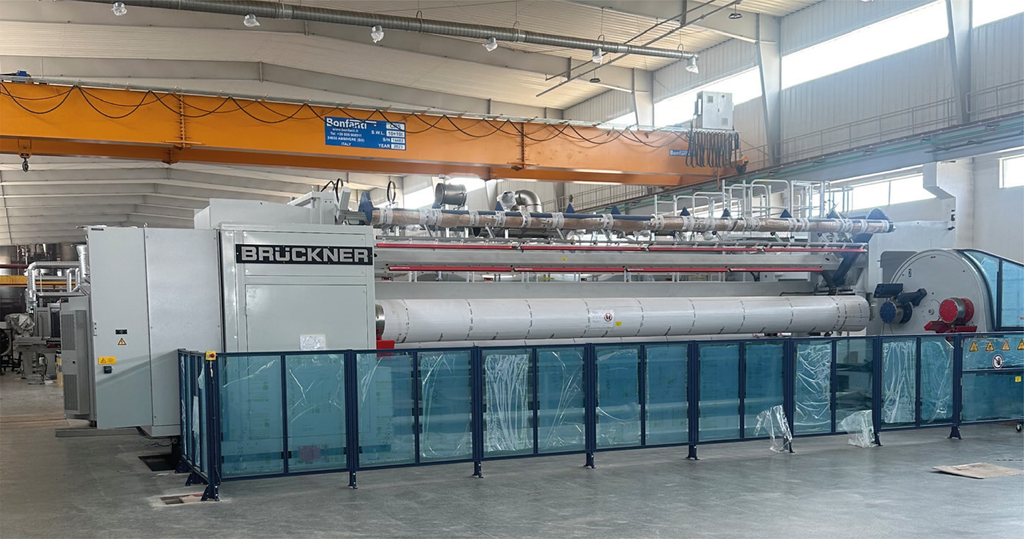
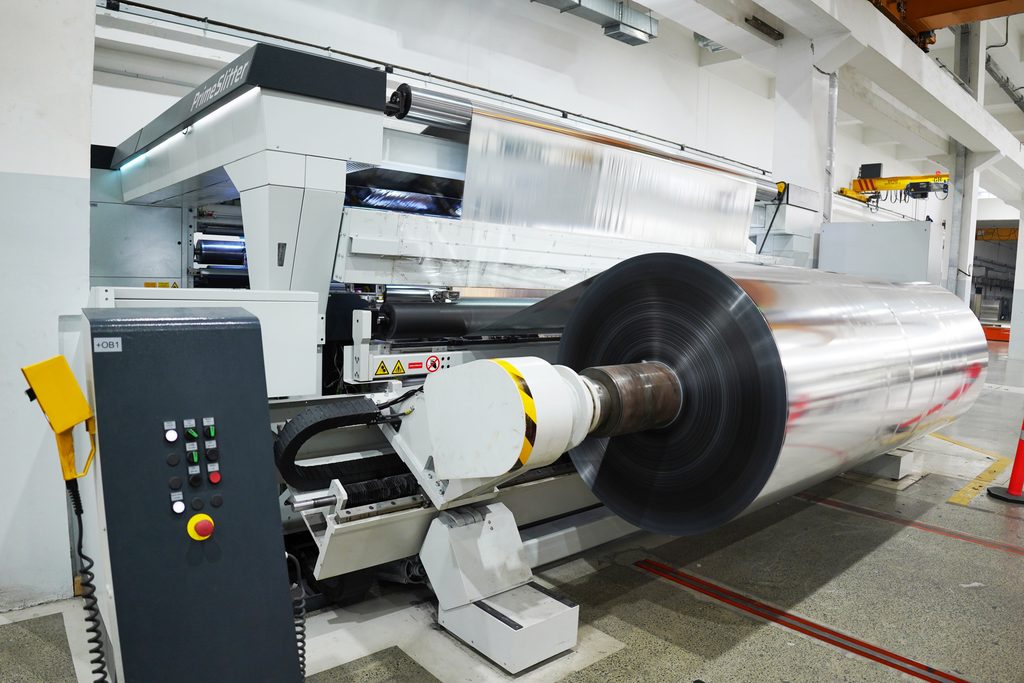
IPAK offers a diversified product portfolio including BOPP, BOPET, BOPE and CPP films, enabling one-window packaging solutions for both domestic and international markets. Powered by cutting edge technology, including its state-of-the-art 10,400m co-extruded BOPP production line from Brückner Maschinenbau (Germany), the Group stands as a trusted partner to leading FMCGs, industrial manufacturers, and export-oriented enterprises.
The biggest shift is sustainability. The rise of recyclable mono-material films and PCR-based innovations, such as our Zeest and Tarmim ranges, playing a crucial role in meeting the stringent requirements of regulations like PPWR. These films are designed for high recyclability, reducing reliance on multi-layer structures that are difficult to recycle. These innovations address the dual goals of enhancing sustainability and aligning with evolving regulatory demands, making them indispensable for the future of the packaging industry.
Sustainability is increasingly shaping the flexible packaging industry. How is IPAK responding through its products and manufacturing strategy?
Under the Tajdid brand, we are presenting innovative sustainable packaging solutions ‘Zeest,’ our recycled resin-based films and ‘Tarmim’ redesign range. These solutions align with global sustainability regulations and achieve compliance to help our clients meet recyclability and waste reduction goals while supporting a circular economy. we hold ISO 14001 and ISO 45001 certifications, and our ISCC Plus certification supports traceable, circular solutions. We are also members of RecyClass and CEFLEX, which keeps our development aligned with global design-for-recycling guidelines.
Our BOPP, BOPET plants, and metallizing units are partially powered by an 8 MW solar energy system, generating around 63,500 kWh, which directly supports SDG 7 (Affordable and Clean Energy) and SDG 13 (Climate Action) by reducing reliance on non-renewable energy. This shift avoided 25 tCO2 emissions, contributing to our goal of lowering carbon footprints, while also reducing diesel and natural gas consumption by 2,455 gallons and 500,000 cubic feet, respectively. Additionally, our waste heat recovery system avoided 154 tCO2, bringing total emissions down from 1,274 tCO2 to 1,120 tCO2, a significant step toward mitigating climate change.
With a strong portfolio across BOPP, BOPET, BOPE, and CPP films, and global outreach through IPAK Connect & IPAK Europe, we are committed to leading the way in sustainable packaging.
Looking ahead, what are IPAK’s main priorities for growth, innovation, and international expansion?
On growth, we will keep expanding capacity and enhance service levels for existing customers. On innovation, our priority is recyclable, mono-material-ready films and that deliver the functional performance brands expect, developed hand in hand with customers collaborations. To strengthen our redesign portfolio, soon we are coming up with new proprietary extrusion technology enabling us to offer ultra-high barrier AlOx coated clear and metallized BOPP films, Retort grade. Internationally, we already export to over 40 countries, and we intend to expand our market footprints, strengthen relationships in global markets. PACK EXPO International is an important step in that journey, and we invite visitors to meet us at Booth W-50104.