In recent years, automation has become increasingly accessible for small and medium-sized enterprises. The main goals are clear: increase productivity, reduce manual labour and improve efficiency over time.
However, the common approach to automation often focuses on machines, speeds and theoretical performance, while overlooking a key aspect: what happens between machines. In manual lines, operators absorb inefficiencies.
Microstops, small delays and imbalances are managed almost invisibly, allowing the line to keep running even in non-ideal conditions.
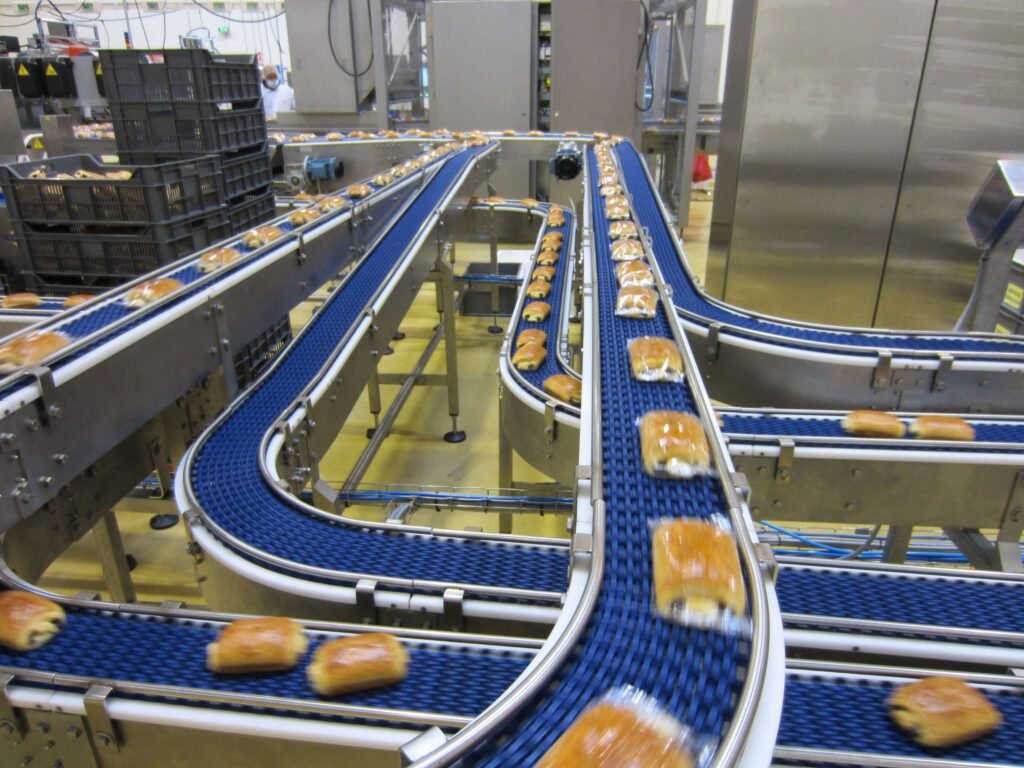
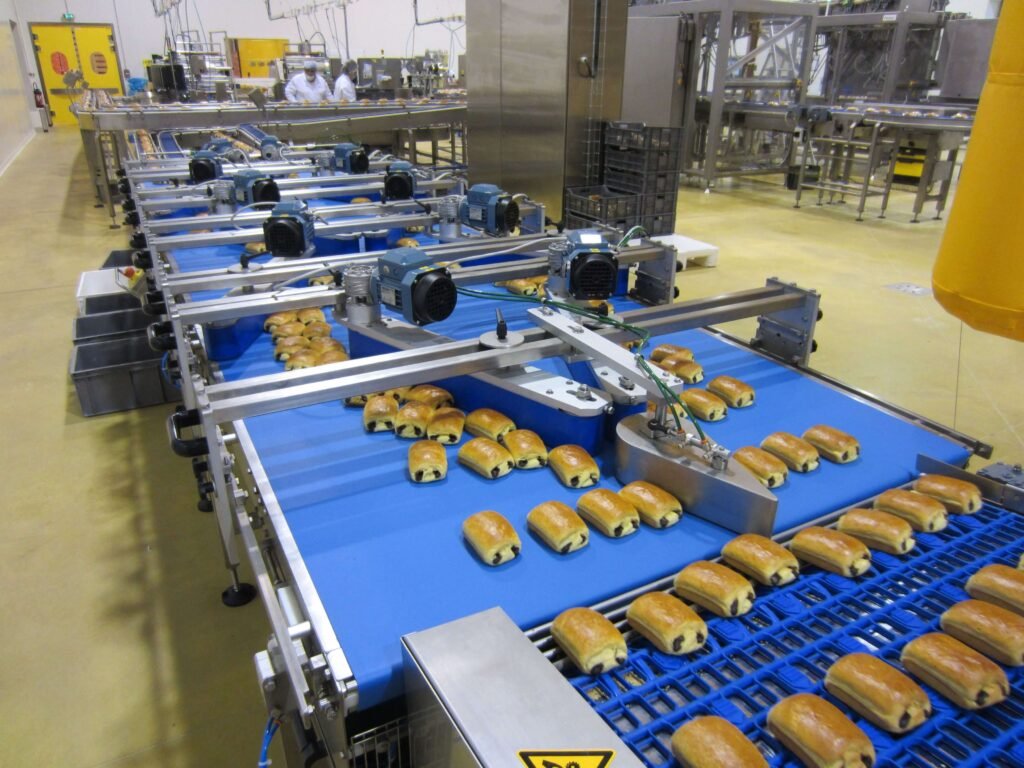
With automation, this flexibility disappears. Machines follow fixed logic and cannot adapt to sudden variations. Even a short downstream stop can quickly spread across the line, causing chain stops, uncontrolled accumulation and loss of efficiency.
This is where accumulation systems become essential. A buffer is not just a place where products wait. It is an element that decouples different phases of the line, absorbing variations and creating an operational margin between machines. In case of a micro-stop, upstream machines can continue running for a certain time, avoiding immediate shutdowns.
For example, if a packaging machine stops briefly, upstream machines would normally stop almost immediately. With a properly sized buffer, the line can continue running, absorbing the variation without immediate impact on production. The result is a more stable flow, fewer interruptions and improved continuity.
A buffer does not increase speed, but improves how the line behaves over time. This need often becomes clear only after automation is introduced. In manual environments, operators naturally compensate for inefficiencies.
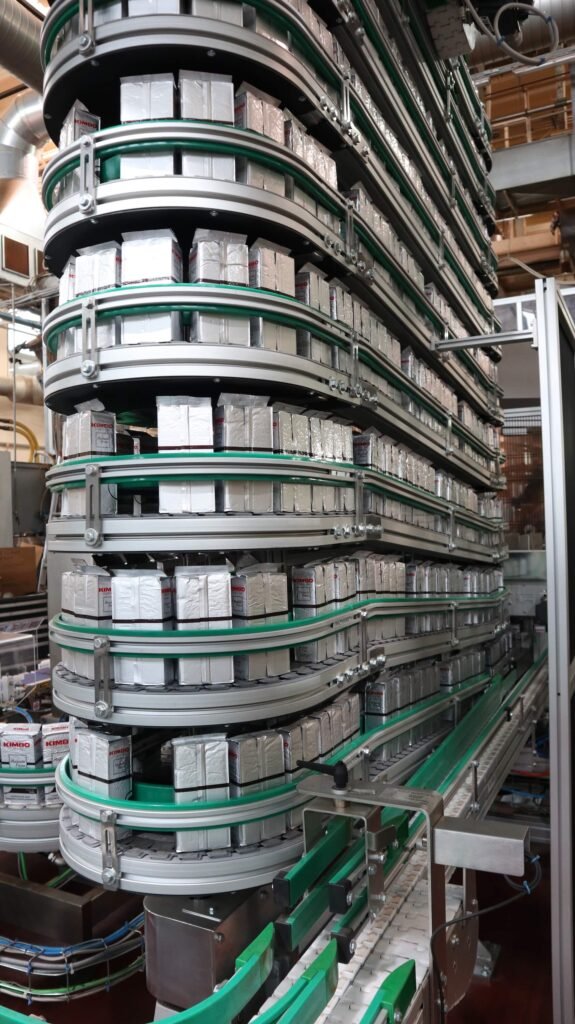
Without them, these issues become visible. As a result, buffers are often underestimated or not considered in early project stages. This leads to a common situation: a line that performs well in theory but struggles to maintain stable production.
Companies then try to add accumulation systems later, often facing space constraints and integration challenges. For this reason, accumulation must be considered during the design phase.
Choosing how many buffers to use and where to place them is not only a technical decision, but a strategic one. Relying on a single central buffer is rarely effective, as it can become overloaded.
Distributing accumulation along the line helps manage variations and improves overall stability. It is also essential to consider machine recovery capacity. A buffer works only if downstream machines can handle the accumulated product after a stop. Otherwise, it quickly becomes a bottleneck.
Product formats add further complexity. Manual lines are flexible, but automation makes changeovers more demanding. Managing too many formats can reduce efficiency and increase downtime, making production planning a key part of the project. Scalability is another important aspect, especially for SMEs. A gradual approach helps manage investment over time, but not all components can be expanded easily.
Accumulation systems are among the most critical. While machines can often be added later, buffer capacity is limited by space and initial design. This is why buffers should be sized with future development in mind, even if the full line is not installed from the beginning. Space remains a major constraint, particularly in existing plants.
Adding systems later is often complex, and compact solutions cannot fully replace proper initial planning. Automation should be about designing a balanced system where each element supports stability and continuity.
Accumulation systems, although less visible than main machines, are essential to achieve this balance and their importance often becomes clear only when they are missing.